
Understanding Local Roofing Regulations in New Jersey: What Homeowners Need to Know
January 21, 2026
•
Written By
Chris
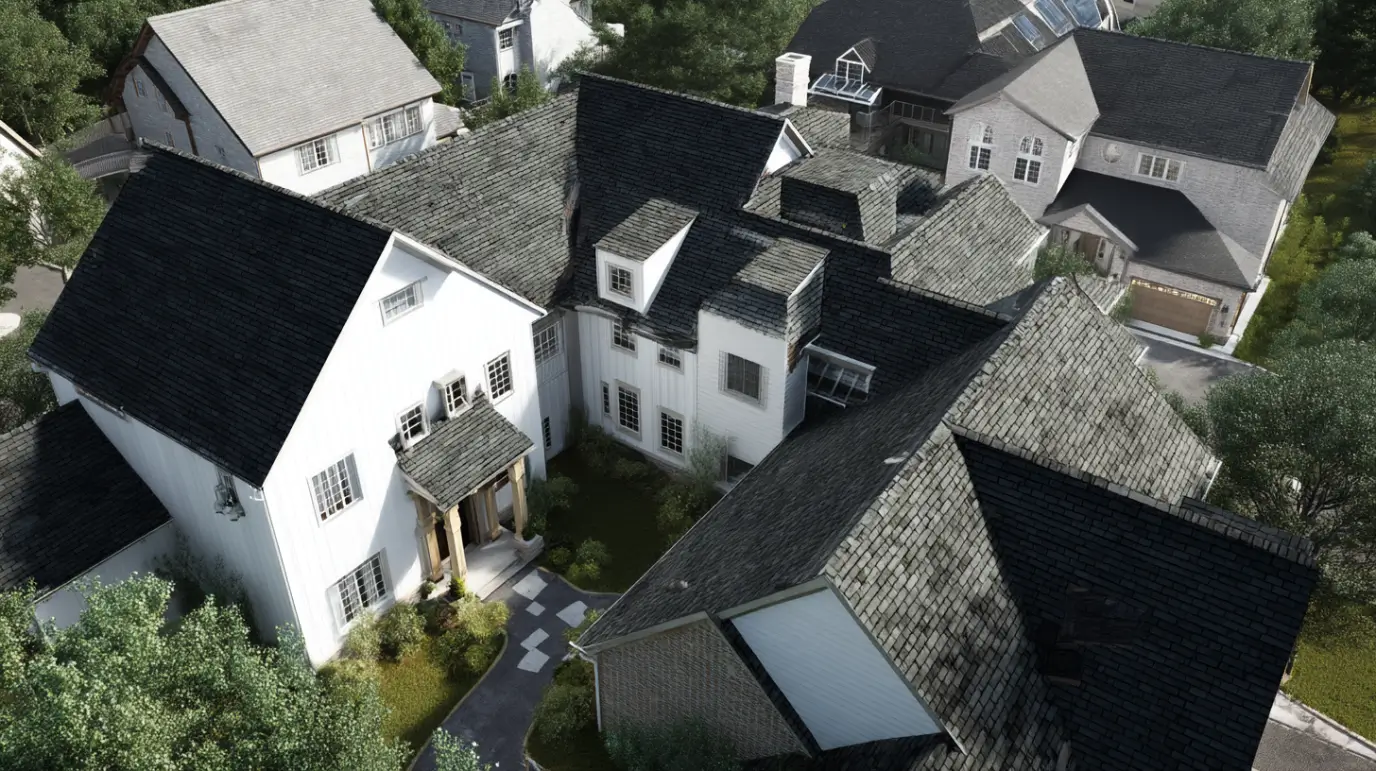
Understanding Local Roofing Regulations in New Jersey
When it comes to roofing projects in New Jersey, understanding local regulations is crucial for homeowners. Navigating these rules ensures compliance and helps avoid potential legal issues. This guide will walk you through the essential aspects of roofing regulations in the Garden State.
Permit Requirements
In New Jersey, most roofing projects require a permit. Whether you're replacing, repairing, or installing a new roof, a permit ensures that the work meets safety and building standards. Homeowners should check with their local municipality to determine specific requirements and fees.
Permits are typically needed for substantial repairs or complete roof replacements. Minor repairs might not require one, but it's always best to confirm. Failing to obtain the necessary permits can result in fines or require you to undo completed work.
How to Obtain a Permit
To obtain a roofing permit, submit a detailed application to your local building department. This application usually includes project plans, contractor details, and proof of insurance. Once approved, you'll receive a permit that must be displayed at the worksite.
Building Codes and Standards
New Jersey adheres to specific building codes, ensuring that all roofing projects meet safety and quality standards. These codes cover materials, installation techniques, and structural integrity. Compliance is not only a legal requirement but also protects your home from potential damage caused by substandard work.
Homeowners should work with licensed contractors familiar with these codes to ensure that their roofing project meets all necessary standards. Contractors should provide guidance on material choices and installation practices that align with local regulations.
Common Roofing Materials
- Asphalt Shingles: Popular for their affordability and durability.
- Metal Roofing: Known for longevity and energy efficiency.
- Slate: Offers a classic look and excellent durability.
Environmental Considerations
New Jersey encourages environmentally friendly building practices. Homeowners might consider using sustainable materials and techniques to reduce their ecological impact. Some municipalities even offer incentives for using eco-friendly roofing options.
Options such as solar panels, green roofs, or reflective materials can improve energy efficiency and reduce utility bills. These choices not only benefit the environment but can also increase your home's value.
Incentives for Green Roofing
Check with local government programs for potential rebates or tax credits when opting for green roofing solutions. These incentives can help offset the initial investment, making sustainable roofing a more attractive option for many homeowners.
Recent Articles
Best Flat Roofing System for Commercial Buildings in NJ
A comparison of TPO, EPDM, and modified bitumen roofing systems for commercial flat roofs in New Jersey, including pros, cons, lifespan, and maintenance.
March 21, 2026

Flexible Payment Options for Your Christo's Roofing Project
A guide to flexible payment options for an Christo's Roofing project, including financing choices, benefits, and how to select the right plan.
March 13, 2026
Easy Roof Financing in New Jersey — Get Your Free Estimate and Apply in Minutes
A guide to easy roof financing in New Jersey, covering estimates, lenders, applications, payment plans, and choosing the right contractor.
March 13, 2026

Debunking Common Roofing Myths: Insights from Christo's Roofing
Common roofing myths explained, including misconceptions about materials, leak response, DIY repairs, maintenance, and roof lifespan.
March 10, 2026