
TPO vs. PVC vs. EPDM Roofing: Which Flat Roof System is Right for You?
September 8, 2025
•
Written By
Chris
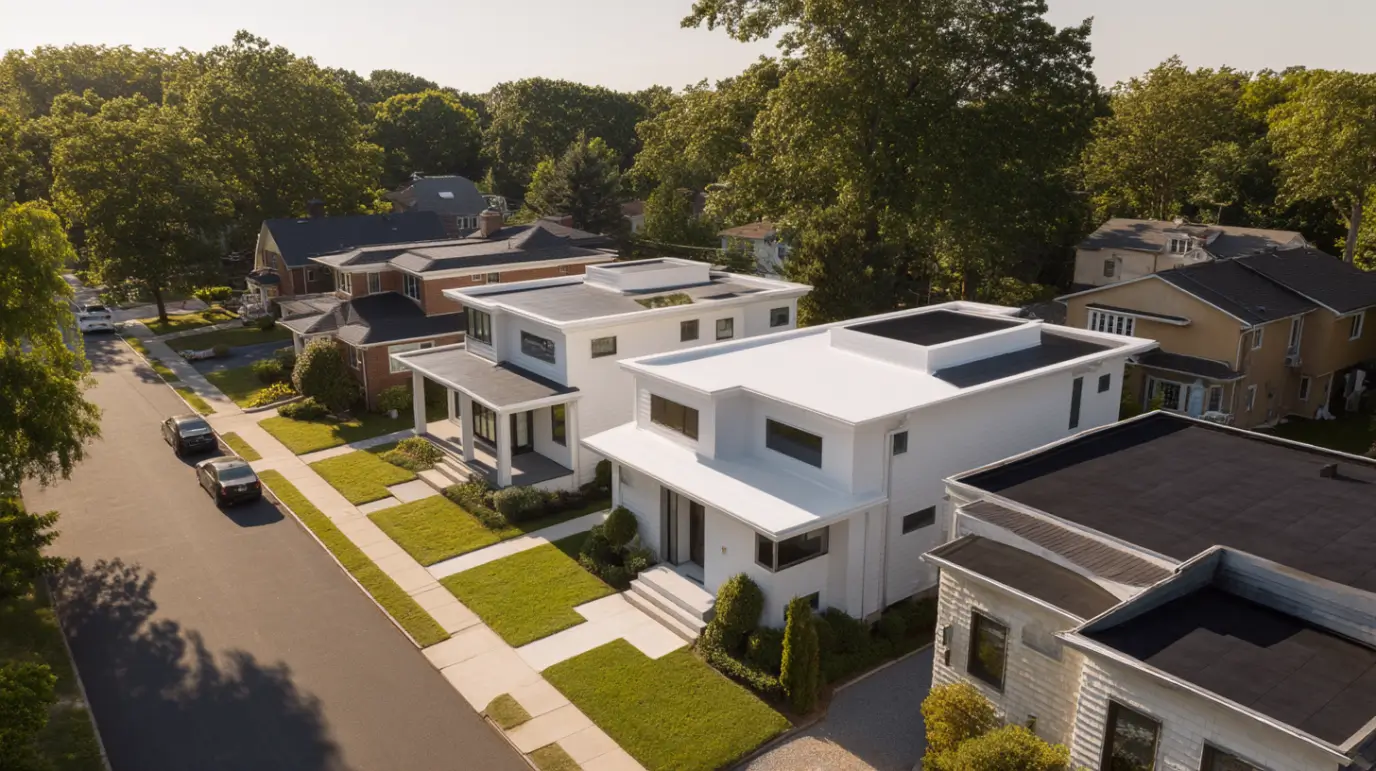
TPO vs. PVC vs. EPDM Roofing
When it comes to flat and low-slope roofing systems, three materials dominate the market: TPO, PVC, and EPDM. Each option has its own strengths, costs, and ideal applications. Choosing the right one can save you money, improve energy efficiency, and extend the life of your roof.
At Christo's Roofing, we’ve installed and repaired countless TPO, PVC, and EPDM roofs across New Jersey, New York, and Philadelphia, and we know how important it is for property owners to understand their options. Let’s break it down.
What is TPO Roofing?
TPO (Thermoplastic Polyolefin) is a single-ply roofing membrane that’s become one of the most popular flat roofing materials in the U.S.
Pros
- Highly reflective (great for reducing cooling costs)
- Affordable compared to PVC
- Resistant to mold, dirt, and tears
- Environmentally friendly (fully recyclable)
Cons
- Not as proven long-term as EPDM or PVC (lifespan around 15–25 years)
- Quality can vary depending on the manufacturer
Best For: Budget-friendly, energy-efficient flat roof projects, especially in warm climates.
What is PVC Roofing?
PVC (Polyvinyl Chloride) is another single-ply roofing membrane, well-known for its durability and chemical resistance.
Pros
- Heat-welded seams create a watertight, long-lasting bond
- Excellent resistance to chemicals, oils, and grease
- Reflective surface lowers energy bills
- Long lifespan (20–30+ years)
Cons
- Higher upfront cost compared to TPO and EPDM
- Can become brittle in extreme cold if not installed properly
Best For: Restaurants, commercial buildings, and homeowners who want a long-lasting, low-maintenance solution.
What is EPDM Roofing?
EPDM (Ethylene Propylene Diene Monomer) is a synthetic rubber roofing membrane, often referred to as a “rubber roof.” It has been used successfully for decades.
Pros
- Proven track record (over 40 years in use)
- Affordable and easy to install
- Flexible and resistant to extreme temperatures
- Lifespan of 20–30 years with proper care
Cons
- Usually black, so it absorbs heat (less energy-efficient unless coated white)
- Seams are glued or taped, making them more vulnerable to leaks compared to heat-welded PVC/TPO
Best For: Large commercial buildings, budget-conscious projects, and colder climates where flexibility matters.
Side-by-Side Comparison
Feature — TPO / PVC / EPDM
Lifespan — 15–25 years / 20–30+ years / 20–30 years
Recent Articles
Best Flat Roofing System for Commercial Buildings in NJ
A comparison of TPO, EPDM, and modified bitumen roofing systems for commercial flat roofs in New Jersey, including pros, cons, lifespan, and maintenance.
March 21, 2026

Flexible Payment Options for Your Christo's Roofing Project
A guide to flexible payment options for an Christo's Roofing project, including financing choices, benefits, and how to select the right plan.
March 13, 2026
Easy Roof Financing in New Jersey — Get Your Free Estimate and Apply in Minutes
A guide to easy roof financing in New Jersey, covering estimates, lenders, applications, payment plans, and choosing the right contractor.
March 13, 2026

Debunking Common Roofing Myths: Insights from Christo's Roofing
Common roofing myths explained, including misconceptions about materials, leak response, DIY repairs, maintenance, and roof lifespan.
March 10, 2026