
The Ultimate Guide To Flat Roof Dos And Don’ts
November 4, 2024
•
Written By
Chris
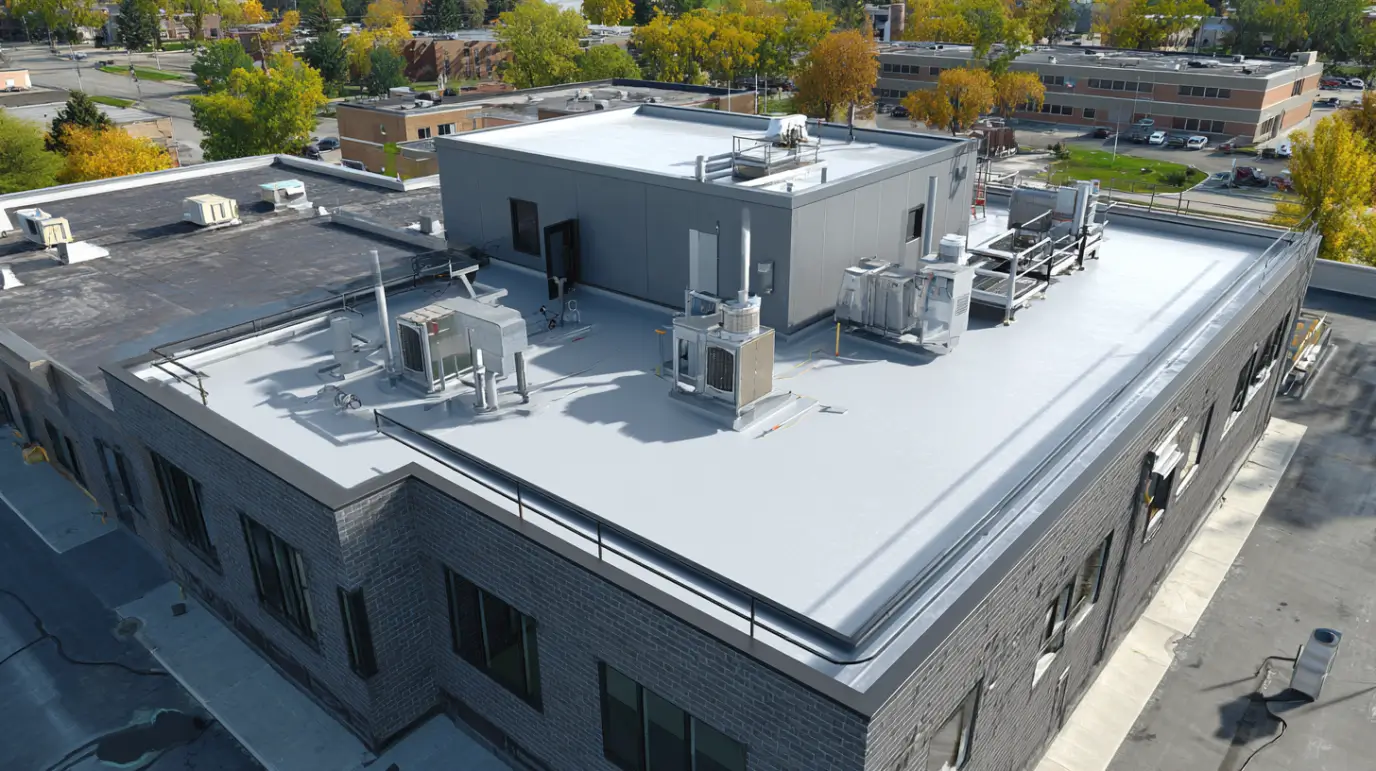
The Ultimate Guide to Flat Roof Dos and Don’ts
Flat roofs have become increasingly popular for both residential and commercial buildings due to their modern look, affordability, and efficient use of space. But flat roofs come with unique considerations that require careful maintenance and specific choices to ensure they remain in good condition. Whether you’re a property owner or a facility manager, knowing what to do (and what to avoid) with a flat roof can make a huge difference in its lifespan and performance.
Here’s a practical guide to the dos and don’ts of flat roof care and maintenance.
Dos for Flat Roofs
1. Do Regular Inspections
Flat roofs need regular inspections to catch issues before they become major problems. Look for signs of wear like cracks, pooling water, blisters, or punctures. Schedule professional inspections at least twice a year, ideally in the spring and fall, and after any extreme weather events.
2. Do Ensure Proper Drainage
Flat roofs aren’t perfectly flat—they usually have a slight slope to direct water toward drains. Check that these drains are clear and functioning, as clogged drains can lead to water pooling, which can damage the roof membrane and cause leaks. If water pools for more than 48 hours after rain, consult a roofing professional for potential solutions.
3. Do Keep the Roof Clean
Leaves, branches, and debris can accumulate on a flat roof, creating moisture traps that can lead to mold, algae, and eventual material degradation. Regularly sweep away debris, especially around drainage areas, to keep your roof clean and free from obstructions.
4. Do Use the Right Materials
Flat roofs require specialized materials that can withstand standing water and temperature fluctuations. Modern options like modified bitumen, single-ply membranes (TPO, EPDM, PVC), or built-up roofing (BUR) are designed specifically for flat roofs. Always consult with a professional to select materials that are durable and appropriate for your climate.
5. Do Schedule Routine Maintenance
Routine maintenance is crucial for extending the life of a flat roof. This includes resealing any seams, replacing damaged membrane sections, and reapplying reflective coatings to maintain the roof’s integrity and energy efficiency. Regular maintenance can help you avoid costly repairs down the road.
6. Do Add a Protective Coating
A reflective or weatherproof coating can protect the roof from UV rays, prevent thermal damage, and improve energy efficiency by keeping the building cooler. These coatings can also add a layer of waterproofing, giving an extra shield against the elements.
7. Do Consult a Professional for Repairs
If you notice leaks, punctures, or membrane damage, consult a roofing professional rather than relying on patchwork fixes. Proper repair methods can restore performance and prevent recurring issues.
Recent Articles
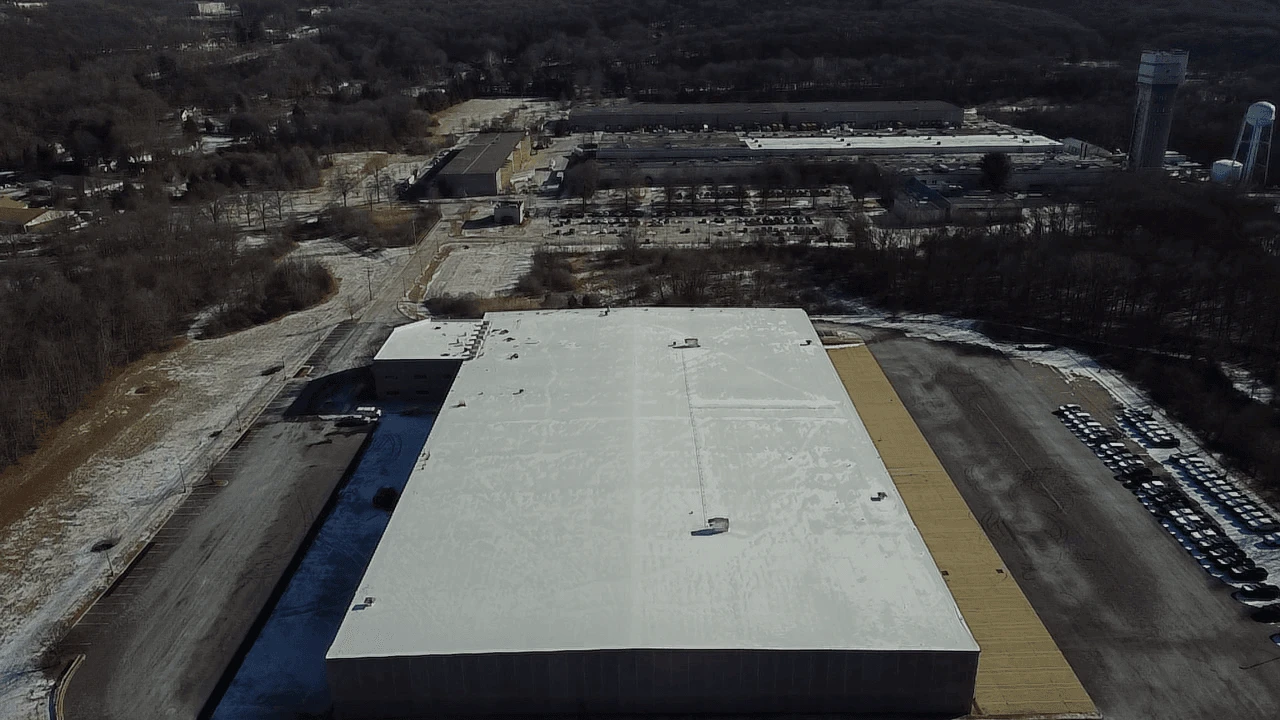
Best Flat Roofing System for Commercial Buildings in NJ
A comparison of TPO, EPDM, and modified bitumen roofing systems for commercial flat roofs in New Jersey, including pros, cons, lifespan, and maintenance.
March 21, 2026

Flexible Payment Options for Your Christo's Roofing Project
A guide to flexible payment options for an Christo's Roofing project, including financing choices, benefits, and how to select the right plan.
March 13, 2026
Easy Roof Financing in New Jersey — Get Your Free Estimate and Apply in Minutes
A guide to easy roof financing in New Jersey, covering estimates, lenders, applications, payment plans, and choosing the right contractor.
March 13, 2026

Debunking Common Roofing Myths: Insights from Christo's Roofing
Common roofing myths explained, including misconceptions about materials, leak response, DIY repairs, maintenance, and roof lifespan.
March 10, 2026