
How to maintain your flat roof: Essential tips for longevity and performance
November 11, 2024
•
Written By
Chris
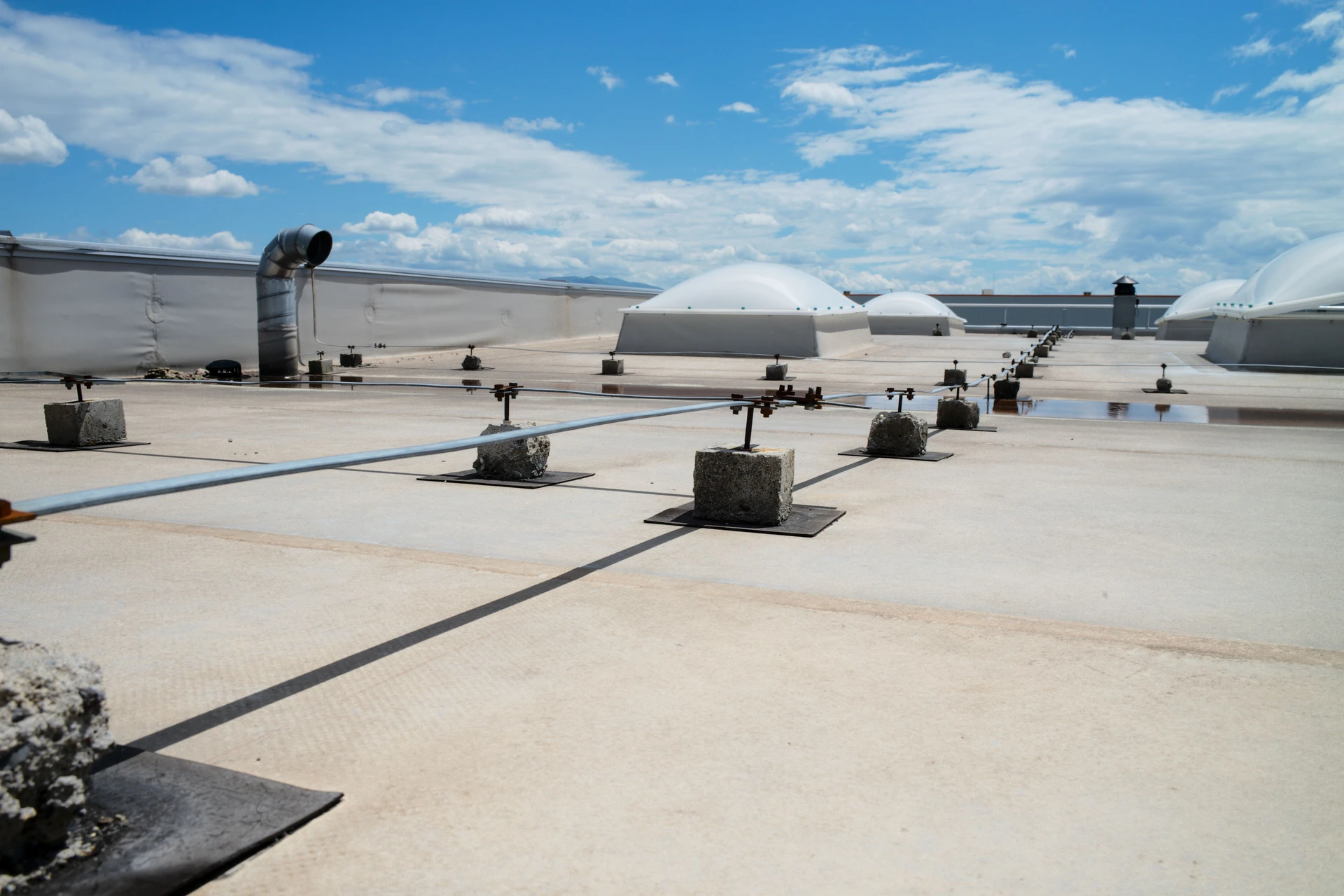
How to maintain your flat roof: Essential tips for longevity and performance
Flat roofs are a popular choice for commercial buildings and modern residential designs, offering easy access, modern aesthetics, and usable space for things like HVAC systems, gardens, or patios. But due to their low slope, flat roofs can face unique challenges with drainage, debris, and exposure to the elements. Routine maintenance is key to preventing costly repairs and prolonging the life of your flat roof. Here’s how to keep your flat roof in top shape.
1. Inspect Your Roof Regularly
Regular inspections are crucial for catching minor issues before they become major problems. Aim to inspect your flat roof at least twice a year — ideally in the spring and fall — and after any significant storms. Here’s what to look for:
- Standing Water: Pooling water is a common issue for flat roofs. Check for any puddles that remain longer than 48 hours after a rain. Persistent water can lead to leaks and structural damage over time.
- Cracks or Blisters: Examine the roofing material for cracks, blisters, or bubbles. These could be signs of trapped moisture or weak areas that may eventually lead to leaks.
- Seams and Flashings: Pay close attention to the seams where roofing materials meet, as well as flashings around vents, pipes, and HVAC units. Damage or wear in these areas can allow water infiltration.
- Membrane Integrity: If you have a membrane roof like EPDM or TPO, check for punctures or worn areas. Even small punctures can lead to major water issues if left unchecked.
2. Keep Your Roof Clean
Debris buildup on a flat roof can trap moisture and block drainage systems. Here’s how to maintain a clean roof:
- Clear Leaves and Debris: Remove leaves, branches, and other debris regularly, especially if your roof is near trees.
- Clean Drains and Gutters: Flat roofs rely heavily on drainage systems to channel water away. Make sure gutters, downspouts, and drains are free of debris and working properly to prevent water backup.
- Check for Algae and Moss: Algae, moss, and mold can grow on flat roofs, especially in humid climates. These growths can trap moisture and cause degradation.
3. Monitor and Repair Seals and Flashings
Seals and flashings around vents, skylights, and other protrusions are essential for keeping water out of your building. Over time, these areas can become worn or damaged.
- Inspect for Gaps: Look for any gaps, cracks, or loosened areas around seals and flashings. These are often the first places where leaks develop.
- Reapply Sealant as Needed: If you notice any signs of deterioration, apply a roofing-compatible sealant to reinforce these areas.
4. Trim Overhanging Branches
Trees near your roof can provide shade, but they can also create hazards. Overhanging branches can break off during storms and damage the roof membrane. Trimming branches can also reduce the amount of leaves and debris that accumulate on your roof, making maintenance easier.
5. Check for Signs of Drainage Issues
Proper drainage is essential for flat roofs, as standing water can lead to leaks, mold, and structural damage. In addition to clearing drains and gutters, keep an eye out for signs of poor drainage:
- Water Stains and Discoloration: Water stains on the roof surface can indicate areas where water is not draining properly.
- Inspect Downspouts: Make sure downspouts are channeling water away from the building’s foundation.
- Consider Installing Additional Drains: If standing water remains an issue, consult a professional about installing additional drains or scuppers.
6. Protect Your Roof Membrane
The membrane on a flat roof is durable, but it’s still vulnerable to damage from foot traffic and equipment.
- Limit Foot Traffic: Only allow necessary personnel on the roof, and designate walkways if the roof must be accessed frequently.
- Place Pads Under Equipment: If you have heavy equipment like HVAC units, place protective pads or pavers underneath to avoid damaging the membrane.
- Use Caution When Shoveling Snow: In snowy climates, heavy snow loads can put stress on flat roofs. If you need to remove snow, use a plastic shovel to avoid puncturing the membrane.
7. Schedule Professional Inspections and Maintenance
While routine maintenance can address many issues, having a professional inspection at least once a year is recommended. Professionals can identify early signs of wear, membrane separation, or other issues that could lead to leaks, perform minor repairs, and recommend solutions if drainage problems or material degradation are detected.
8. Stay On Top of Warranty Requirements
Many flat roofs come with manufacturer warranties that cover certain repairs or replacements. However, warranties may require proof of regular maintenance. Keep detailed records of inspections and repairs, and review your warranty terms to ensure you are meeting any maintenance requirements.
Final Thoughts
Maintaining your flat roof doesn’t have to be overwhelming. By staying proactive with regular inspections, keeping it clean, and addressing minor issues as they arise, you can help extend its lifespan and prevent costly repairs.
Recent Articles
Best Flat Roofing System for Commercial Buildings in NJ
A comparison of TPO, EPDM, and modified bitumen roofing systems for commercial flat roofs in New Jersey, including pros, cons, lifespan, and maintenance.
March 21, 2026

Flexible Payment Options for Your Christo's Roofing Project
A guide to flexible payment options for an Christo's Roofing project, including financing choices, benefits, and how to select the right plan.
March 13, 2026
Easy Roof Financing in New Jersey — Get Your Free Estimate and Apply in Minutes
A guide to easy roof financing in New Jersey, covering estimates, lenders, applications, payment plans, and choosing the right contractor.
March 13, 2026

Debunking Common Roofing Myths: Insights from Christo's Roofing
Common roofing myths explained, including misconceptions about materials, leak response, DIY repairs, maintenance, and roof lifespan.
March 10, 2026