
How to Differentiate Between Rubber and TPO Roofing Materials
March 4, 2026
•
Written By
Chris
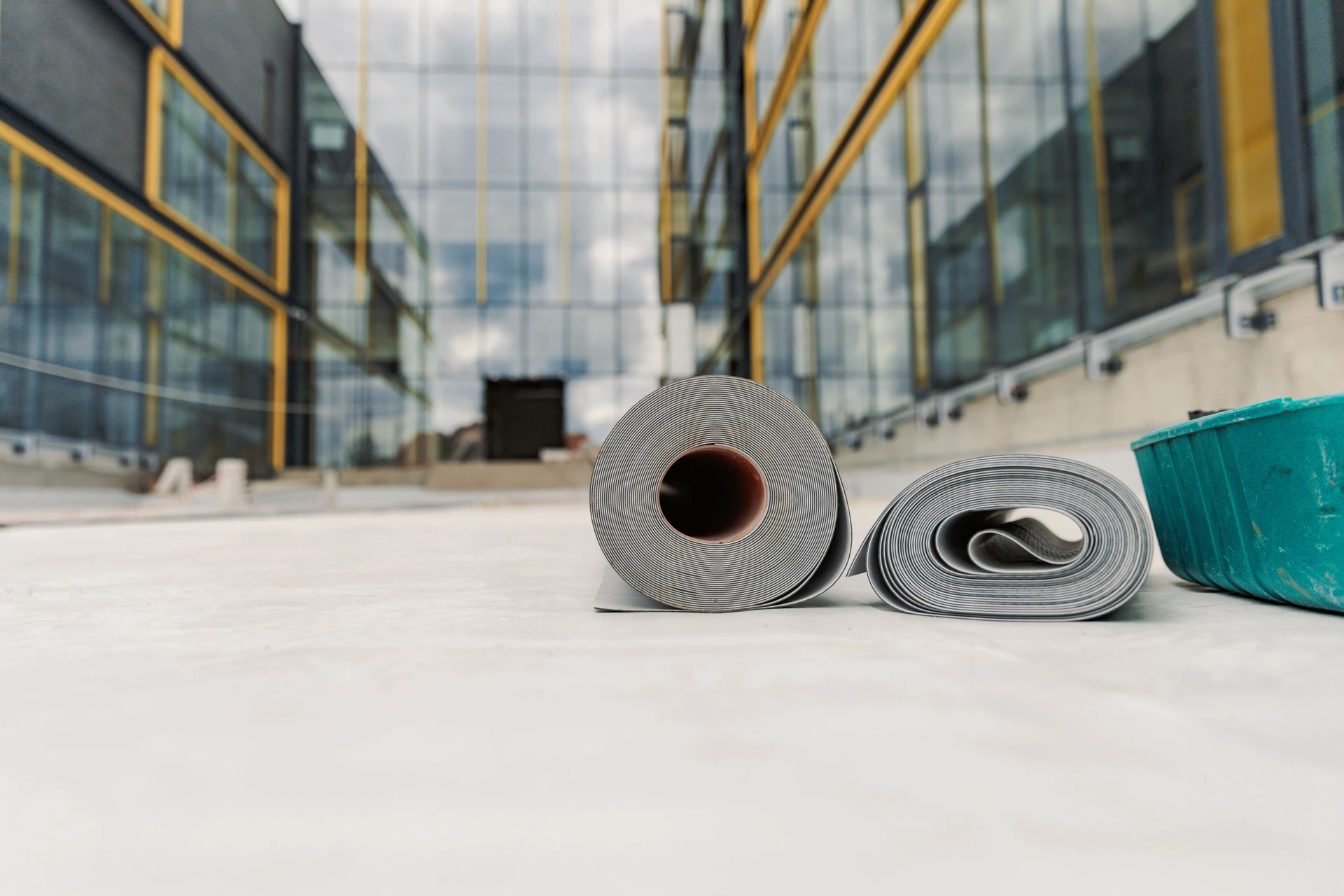
Understanding Roofing Materials
When selecting roofing materials, it is essential to understand the differences between available options so you can make an informed decision. Two popular choices for flat and low-slope roofs are rubber roofing and TPO roofing materials.

What is Rubber Roofing?
Rubber roofing, often referred to as EPDM, is a durable and flexible material commonly used for flat and low-slope roofs. It is known for strong weather resistance and longevity. Rubber roofing is typically installed in large sheets, which minimizes seams and can help reduce leak risk.
Advantages of Rubber Roofing
- Durability, with a long potential lifespan when maintained properly
- Resistance to extreme weather conditions
- Eco-friendly potential, since some products are made from recycled materials

Exploring TPO Roofing
TPO roofing is a single-ply membrane known for energy efficiency and cost-effectiveness. It is made from a blend of polypropylene and ethylene-propylene rubber and is often chosen for its reflective surface, which can help reduce cooling costs.
Benefits of TPO Roofing
- Energy efficiency through reflectivity
- Cost-effectiveness compared with some other roofing materials
- Heat-welded seams that can improve leak resistance
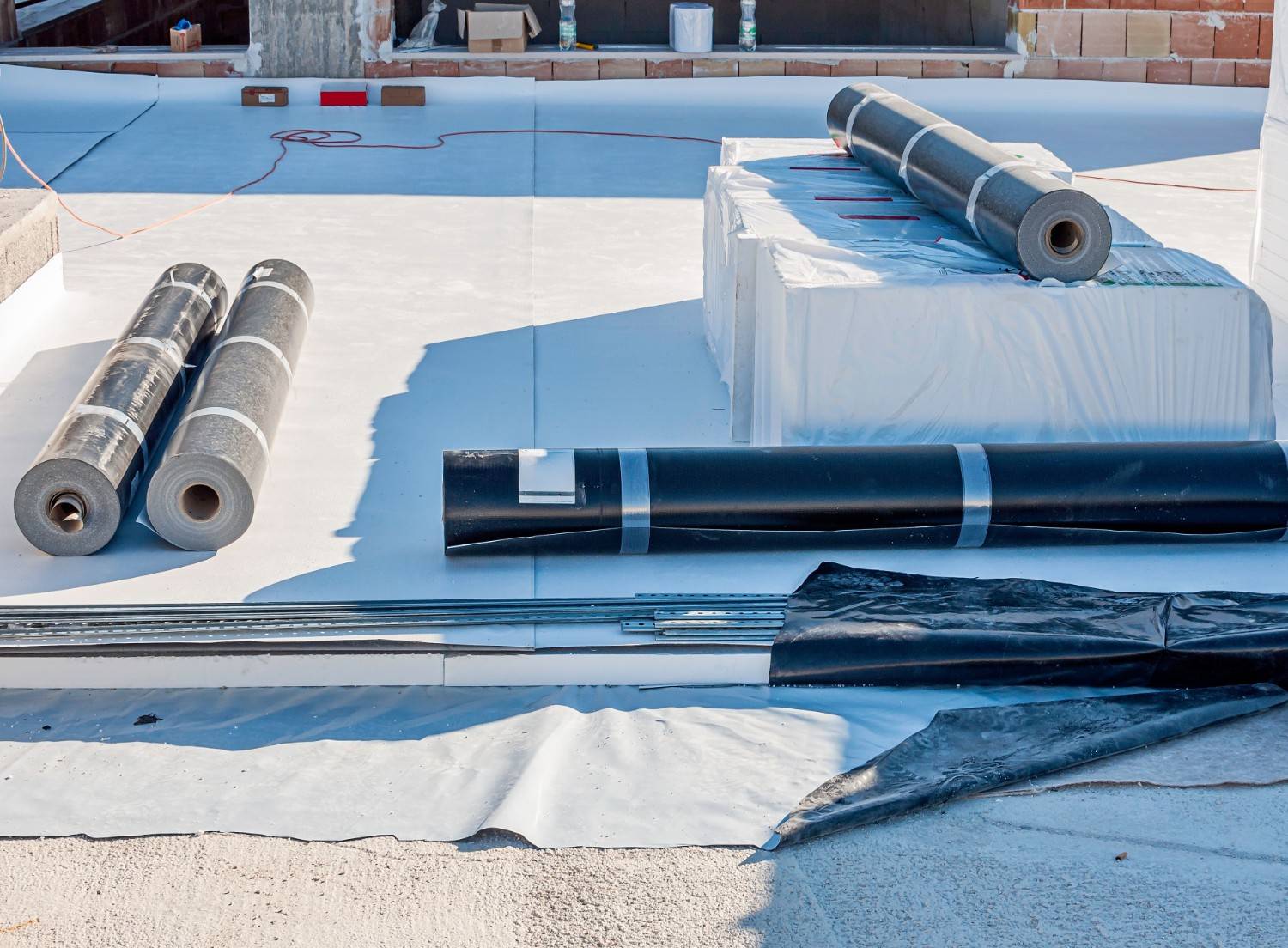
Comparing Installation Processes
Both rubber and TPO roofing require professional installation, but the process differs. Rubber roofing is often glued down, while TPO can be mechanically attached or fully adhered. Installation method can influence cost and lifespan.
Maintenance and Longevity
Regular maintenance is important for both materials. Rubber roofs may require periodic resealing, while TPO roofs benefit from regular inspections to preserve their reflective performance. Environmental conditions and upkeep can affect lifespan for both systems.
Making the Right Choice
Choosing between rubber and TPO roofing depends on budget, energy-efficiency goals, and environmental conditions. TPO may be a strong fit when energy savings and cost-effectiveness are priorities, while rubber roofing can appeal more to those focused on durability and long-term performance.

In conclusion, understanding the distinctions between rubber and TPO roofing materials can help you make a more informed decision. Consider your specific needs and consult with a professional roofer to determine the best material for your project.
Recent Articles

Best Flat Roofing System for Commercial Buildings in NJ
A comparison of TPO, EPDM, and modified bitumen roofing systems for commercial flat roofs in New Jersey, including pros, cons, lifespan, and maintenance.
March 21, 2026

Flexible Payment Options for Your Christo's Roofing Project
A guide to flexible payment options for an Christo's Roofing project, including financing choices, benefits, and how to select the right plan.
March 13, 2026
Easy Roof Financing in New Jersey — Get Your Free Estimate and Apply in Minutes
A guide to easy roof financing in New Jersey, covering estimates, lenders, applications, payment plans, and choosing the right contractor.
March 13, 2026

Debunking Common Roofing Myths: Insights from Christo's Roofing
Common roofing myths explained, including misconceptions about materials, leak response, DIY repairs, maintenance, and roof lifespan.
March 10, 2026