
16 Types of Roofs Explained: Pros, Cons & Lifespan Guide
February 7, 2026
•
Written By
Chris
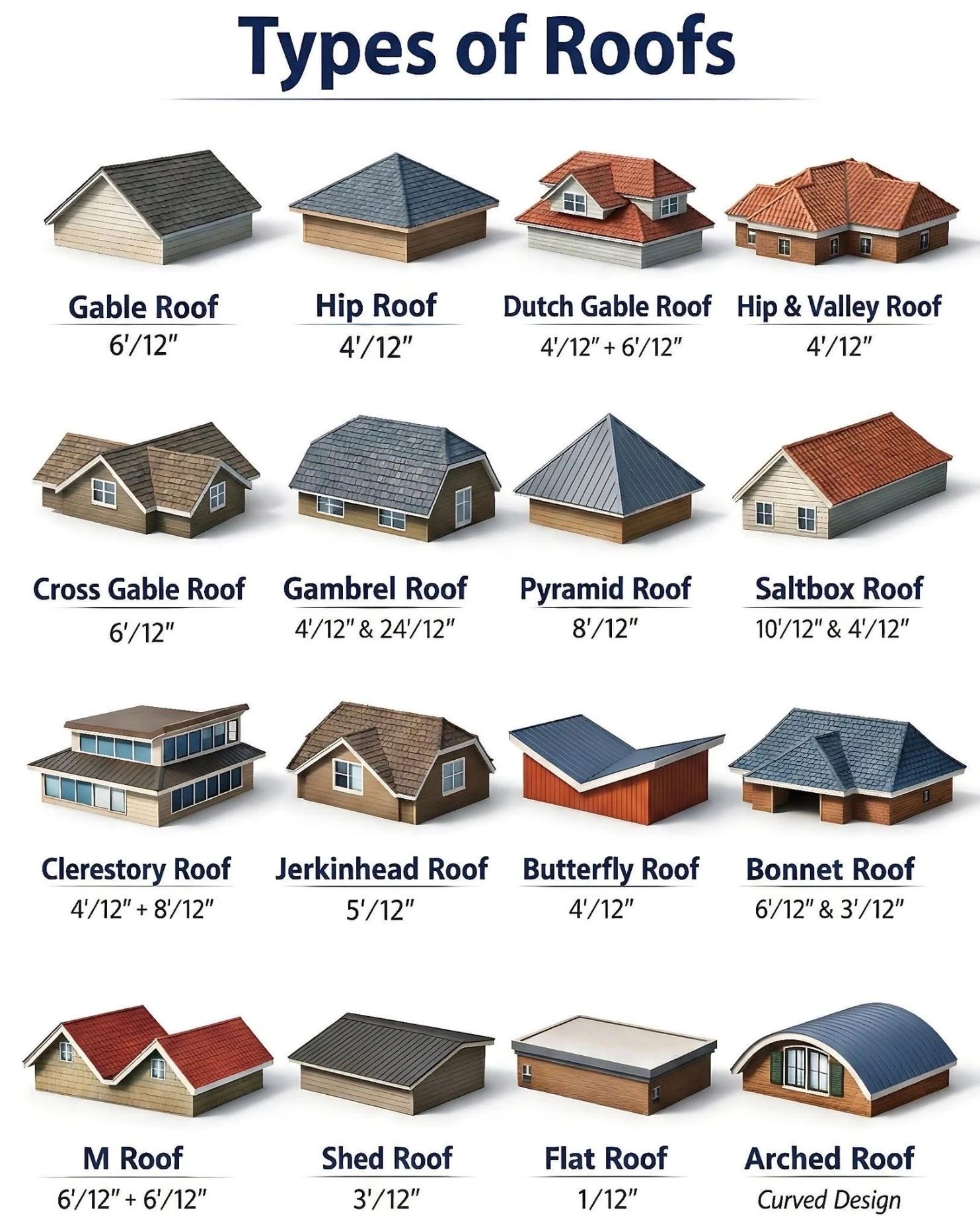
Choosing the right roof style is one of the most important decisions for any home or commercial building. Roof design affects appearance, drainage, durability, cost, and long-term maintenance. Below is a breakdown of common roof types, how they differ, and what you can expect in terms of pros, cons, and lifespan.
1. Gable Roof
Overview: A classic triangular roof with two sloping sides.
Pros:
- Excellent water and snow drainage
- Cost-effective and easy to build
- Provides attic ventilation and space
Cons:
- Vulnerable to strong winds if not braced properly
Average Lifespan:
- Asphalt shingles: 20–30 years
- Metal: 40–70 years
2. Hip Roof
Overview: All sides slope downward toward the walls.
Pros:
- Very stable in high winds
- Great drainage and durability
Cons:
- Higher construction cost
- Less attic space
Average Lifespan: 30–60+ years depending on material.
3. Dutch Gable Roof
Overview: A hip roof with a small gable section on top.
Pros:
- Combines wind resistance with extra attic space
- Strong curb appeal
Cons:
- More complex framing increases cost
Average Lifespan: 30–60 years.
4. Hip & Valley Roof
Overview: Multiple hip sections meeting in valleys.
Pros:
- Ideal for large or complex homes
- Strong and weather-resistant
Cons:
- Valleys require careful waterproofing
- Higher labor cost
Average Lifespan: 30–60 years.
5. Cross Gable Roof
Overview: Two or more gable roofs intersecting.
Pros:
- Great for larger floor plans
- Enhances architectural style
Cons:
- Valley areas prone to leaks if poorly installed
Average Lifespan: 25–50+ years.
6. Gambrel Roof
Overview: Barn-style roof with two slopes on each side.
Pros:
- Maximizes attic or loft space
- Distinctive appearance
Cons:
- Can struggle in heavy snow or wind regions
Average Lifespan: 25–50 years.
7. Pyramid Roof
Overview: Four equal triangular sides meeting at a peak.
Pros:
- Extremely wind-resistant
- Even load distribution
Cons:
- Limited attic space
- Higher framing cost
Average Lifespan: 30–60 years.
8. Saltbox Roof
Overview: Asymmetrical design with one long slope.
Pros:
- Excellent water runoff
- Unique historic style
Cons:
- Uneven interior ceiling heights
Average Lifespan: 30–50 years.
9. Clerestory Roof
Overview: Split roof levels with vertical windows between.
Pros:
- Brings in natural light
- Modern architectural look
Cons:
- Complex waterproofing
- Higher construction cost
Average Lifespan: 30–50 years.
10. Jerkinhead Roof
Overview: Gable roof with clipped ends.
Pros:
- Better wind resistance than standard gable
- Attractive design
Cons:
- Slightly more complex framing
Average Lifespan: 30–50 years.
11. Butterfly Roof
Overview: Two slopes meeting in the center like wings.
Pros:
- Modern appearance
- Allows rainwater collection
Cons:
- Drainage must be perfectly designed
- Higher maintenance risk
Average Lifespan: 20–40 years.
12. Bonnet Roof
Overview: Double-slope roof with extended eaves.
Pros:
- Extra shade and porch coverage
- Good water runoff
Cons:
- Complex structure increases cost
Average Lifespan: 30–50 years.
13. M Roof
Overview: Two gable roofs connected, forming an “M.”
Pros:
- Allows natural light and ventilation
- Distinctive appearance
Cons:
- Multiple valleys increase leak risk
Average Lifespan: 25–50 years.
14. Shed Roof
Overview: Single sloping surface.
Pros:
- Simple and affordable
- Ideal for additions or modern homes
Cons:
- Limited attic space
- Drainage concentrated in one area
Average Lifespan: 20–40 years.
15. Flat Roof
Overview: Nearly level surface common on commercial buildings.
Pros:
- Usable rooftop space
- Easier maintenance access
Cons:
- Requires excellent drainage
- Shorter lifespan with poor maintenance
Average Lifespan:
- TPO/PVC/EPDM: 20–30 years
- Modified bitumen: 15–25 years
16. Arched Roof
Overview: Smooth curved design.
Pros:
- Strong structural performance
- Unique architectural appeal
Cons:
- Specialized materials and installation
- Higher cost
Average Lifespan: 30–60+ years.
Final Thoughts
Each roof style offers different benefits in durability, appearance, cost, and lifespan. The best choice depends on climate and weather conditions, budget and maintenance expectations, and the architectural style of the building. If you’re unsure which roof is right for your property, working with a licensed, insured roofing professional ensures the best long-term performance and value.
Recent Articles
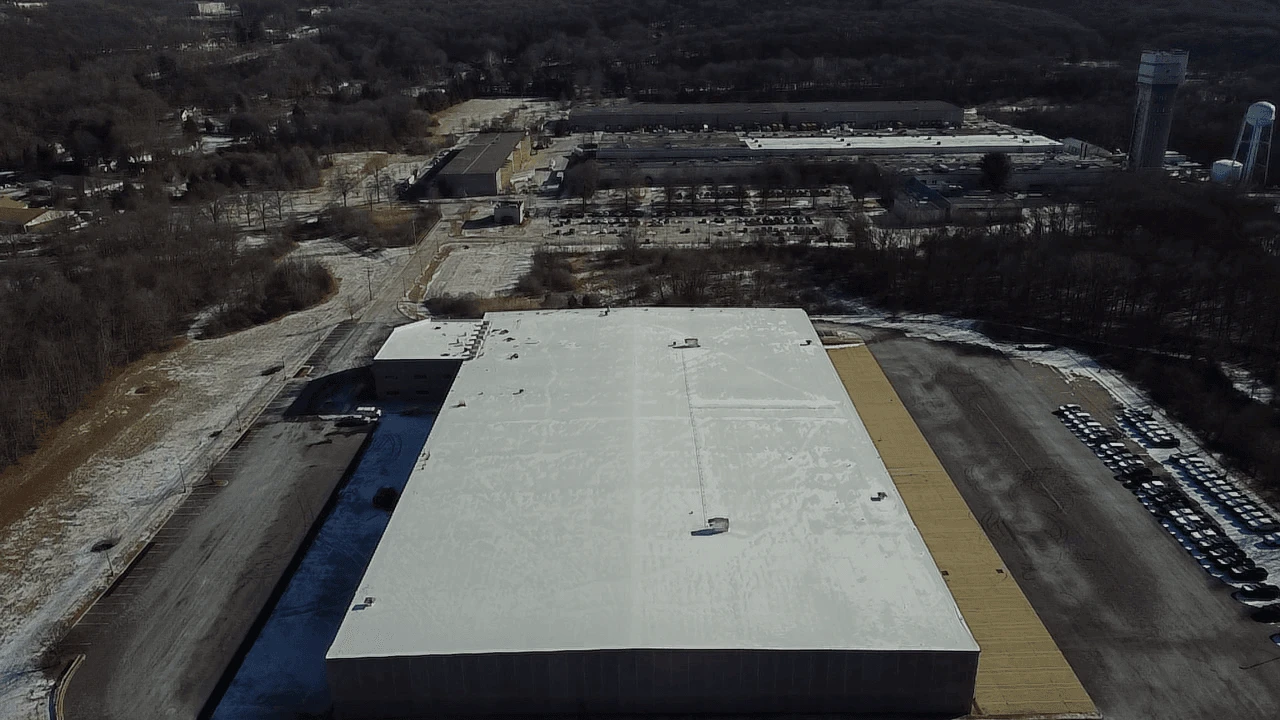
Best Flat Roofing System for Commercial Buildings in NJ
A comparison of TPO, EPDM, and modified bitumen roofing systems for commercial flat roofs in New Jersey, including pros, cons, lifespan, and maintenance.
March 21, 2026

Flexible Payment Options for Your Christo's Roofing Project
A guide to flexible payment options for an Christo's Roofing project, including financing choices, benefits, and how to select the right plan.
March 13, 2026
Easy Roof Financing in New Jersey — Get Your Free Estimate and Apply in Minutes
A guide to easy roof financing in New Jersey, covering estimates, lenders, applications, payment plans, and choosing the right contractor.
March 13, 2026

Debunking Common Roofing Myths: Insights from Christo's Roofing
Common roofing myths explained, including misconceptions about materials, leak response, DIY repairs, maintenance, and roof lifespan.
March 10, 2026